








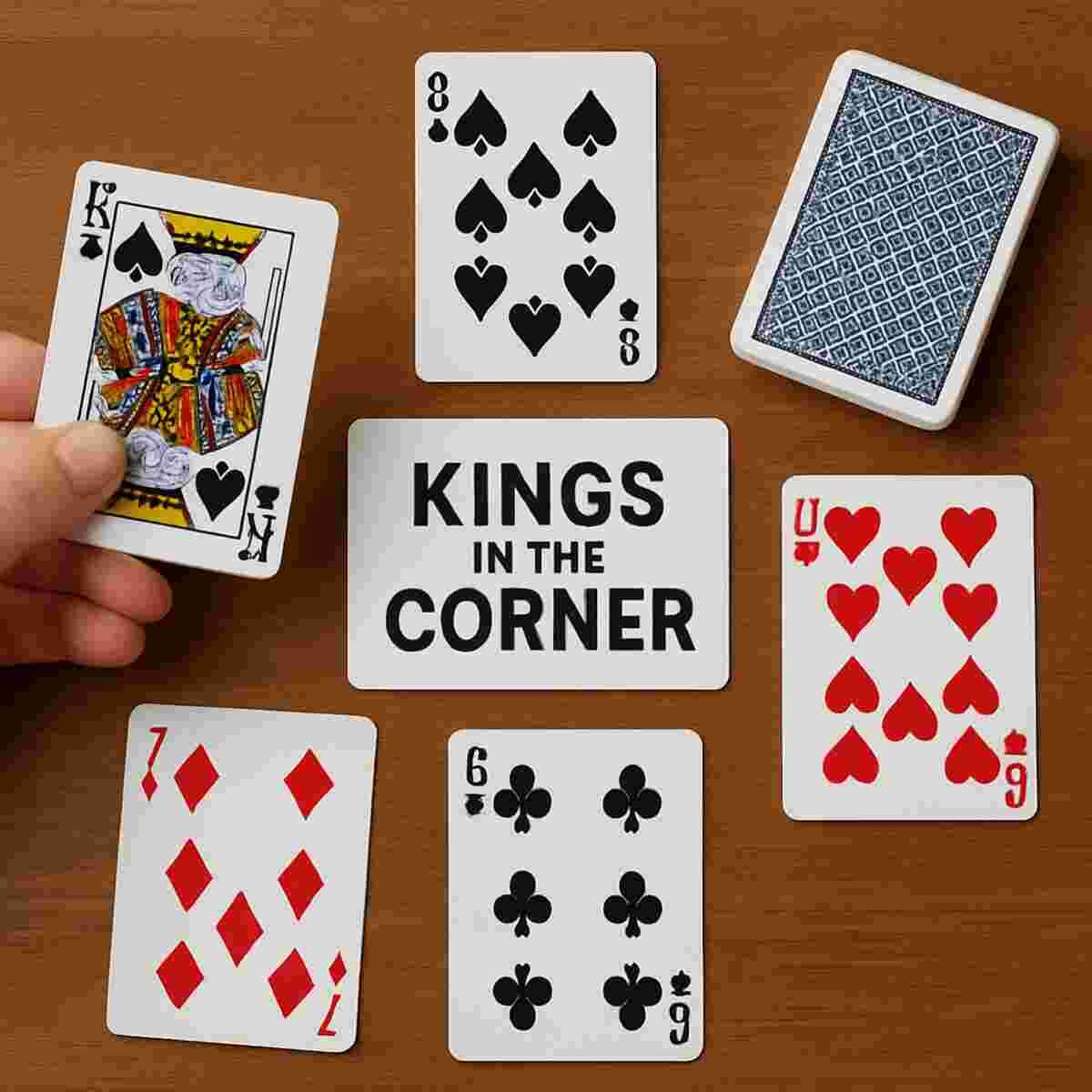
When it comes to card games that balance strategy and a bit of luck, “Kings in the Corner” is a hidden gem. If you’re just discovering this game, or you’re looking to up your game with some clever strategies, you’ve come to the right place. Let’s dive into the rules, the gameplay, and some winning strategies for “Kings in the Corner.” To find more, check on Alternatif ATM189
Before we jump into strategies, let’s make sure we’re all on the same page about how to play “Kings in the Corner.”
To start, you’ll need a standard 52-card deck and two to four players. Each player is dealt seven cards, and the remaining deck is placed in the center as the draw pile. Four cards are drawn from the deck and placed face-up in a cross pattern around the draw pile. These are the foundation piles. Understanding the initial setup is crucial as it sets the stage for strategic gameplay. Make sure the cards are shuffled well to ensure a fair distribution.
Player Arrangement
Decide who will go first by drawing cards; the highest card plays first. This little pre-game ritual adds an element of chance and excitement right from the start. The order of play then proceeds clockwise, ensuring a structured flow to the game. Knowing your position relative to others can influence your decisions, especially when planning to block or counter their moves.
Card Distribution
Dealing is straightforward yet pivotal. With seven cards to each player, the initial hand can greatly influence your strategy. A good mix of high and low cards can offer flexibility, while a hand heavy with face cards may necessitate a more defensive approach. Pay attention to the cards you receive and start planning your strategy immediately.
Foundation Piles
The foundation piles are the heart of the game. Understanding their role and potential is key to mastering “Kings in the Corner.” These piles are where the action happens, with cards being played down in alternating colors. Mastering the use of foundation piles can open up new opportunities and control points in the game.
Basic Gameplay
The objective is to be the first to get rid of all your cards. On each turn, a player draws a card, then attempts to play cards from their hand onto the foundation piles. You can build these piles down in alternating colors, much like solitaire. This aspect of the game introduces a familiar solitaire-like mechanic, which can be both comforting and challenging for new players.
Drawing Cards
Drawing cards is a simple yet strategic move. It can either enhance your current hand or present new challenges. The key is to integrate the new card into your strategy seamlessly. Sometimes, the card you draw can change the entire dynamic of your turn, offering new paths or closing down others.
Playing Cards
Playing cards onto the foundation piles requires tactical thinking. The ability to build piles down in alternating colors allows for a range of strategic possibilities. This mechanic encourages players to think ahead and consider the implications of each move. Strategic card placement can disrupt opponents’ plans and open new avenues for your own success.
Special Role of Kings
Kings are special: they can start new piles in the corners, hence the name “Kings in the Corner.” When a player has placed all their cards, they win the round, and points are tallied based on the cards left in the other players’ hands. Kings add a layer of strategic depth, offering opportunities to create new piles and disrupt opponents’ strategies. Their placement can be a game-changer, turning a losing hand into a winning one.
Strategic Moves to Master Kings in the Corner
Now that you know the basics, let’s dive into the fun part—strategies that will give you an edge over your opponents.
Pay Attention to the Kings
Kings are your best friends in this game. If you have a King, use it strategically to start a new pile. This not only gives you more options to play your cards but also limits your opponents’ moves. Kings can act as a gateway to more strategic opportunities, offering additional spaces to play your cards and potentially blocking your opponents’ plays. This dual role makes them invaluable assets in your hand.
Timing is Everything
Deciding when to play a King can be crucial. Sometimes, holding onto a King can give you leverage later in the game. By waiting for the right moment, you can maximize its impact, potentially changing the course of the game in your favor. Timing your moves to coincide with your opponents’ vulnerabilities can be a powerful strategy.
Creating New Paths
Starting a new pile with a King opens up new possibilities. It can provide new avenues for card placement and disrupt opponents’ plans. By creating additional paths for play, you ensure that your hand remains flexible and adaptable to changing circumstances. This ability to adapt can often be the key to victory.
Blocking Opponents
Using a King strategically can also serve as a defensive move. By placing a King where your opponent is likely to play, you can effectively block their path. This not only hinders their progress but also buys you time to improve your own position. Understanding when and where to block can be as crucial as making your own plays.
Keep Your Options Open
Don’t be too eager to place all your cards down right away. Sometimes, holding back can give you more options later on. Keep a variety of cards in your hand to maintain flexibility for future moves. A diverse hand offers multiple pathways to victory, allowing you to adapt to opponents’ strategies and unexpected changes in the game.
Hand Management
Managing your hand effectively is a skill that can greatly influence the outcome of the game. By keeping a balanced mix of cards, you can maintain a flexible strategy. Being able to pivot between offensive and defensive plays depending on the cards you hold is a hallmark of a skilled player.
Anticipating Opponents’ Moves
Keeping your options open allows you to better anticipate opponents’ moves. By observing their play style and tendencies, you can adapt your strategy to counteract their plans. This anticipation can give you a significant advantage, allowing you to stay one step ahead throughout the game.
Adaptability
The ability to adapt to changing circumstances is a key component of success in “Kings in the Corner.” By maintaining a flexible hand and being open to new possibilities, you can navigate the game with ease. This adaptability allows you to make the most of every situation, turning challenges into opportunities.
Watch Your Opponents
Keep an eye on what your opponents are doing. If they seem to be setting up a pile to play a lot of cards, try to block them by playing a card there first. It’s a bit of a chess game—you want to predict their moves and counteract them. Understanding opponents’ strategies and motivations can provide valuable insights, allowing you to disrupt their plans and gain the upper hand.
Reading Play Patterns
Observing opponents’ play patterns can give you clues about their strategies. By understanding their tendencies, you can predict their future moves and plan accordingly. This insight can be used to your advantage, allowing you to counteract their strategies effectively.
Disruptive Play
Using your knowledge of opponents’ strategies to disrupt their plays is a powerful tool. By playing cards strategically, you can block their paths and force them to rethink their plans. This disruption can slow their progress and give you the opportunity to advance your own strategy.
Psychological Advantage
Watching your opponents closely can also provide a psychological advantage. By understanding their mindset and motivations, you can tailor your strategy to exploit their weaknesses. This psychological edge can be a decisive factor in the game, giving you the upper hand when it matters most.
Plan Your Moves
Think a few steps ahead and plan your moves. If you can foresee how your cards can be laid down over the next few turns, you’ll be less likely to get stuck. Strategic foresight is a valuable asset, allowing you to navigate the game with confidence and purpose.
Long-term Strategy
Developing a long-term strategy is essential for success in “Kings in the Corner.” By considering the overall flow of the game, you can plan your moves to achieve your objectives. This long-term perspective allows you to anticipate challenges and opportunities, positioning yourself for victory.
Contingency Planning
Having a contingency plan is crucial in a dynamic game like “Kings in the Corner.” By preparing for potential setbacks, you can ensure that you remain adaptable and resilient. This preparation allows you to respond effectively to unexpected changes, maintaining your strategic advantage.
Execution
Executing your planned moves with precision is the final step in a successful strategy. By staying focused and committed to your plan, you can achieve your objectives and secure victory. This execution requires discipline and attention to detail, ensuring that your strategy is carried out flawlessly.
Manage Your Hand
Always be aware of how many cards are in your hand compared to your opponents. If you’re close to going out, focus on playing as many cards as possible. Conversely, if an opponent is close to winning, play defensively to keep them from going out. Effective hand management is a balance between offense and defense, allowing you to adapt to the changing dynamics of the game.
Offensive Play
When you’re close to going out, an offensive play style can help you capitalize on your position. By playing aggressively, you can maximize your chances of winning the round. This approach requires confidence and decisiveness, allowing you to make the most of your opportunities.
Defensive Play
If an opponent is close to winning, a defensive strategy can help you prevent their success. By playing conservatively and focusing on blocking their paths, you can buy yourself time to improve your position. This defensive approach requires patience and foresight, allowing you to counteract opponents’ strategies effectively.
Balancing Risk and Reward
Effective hand management requires balancing risk and reward. By carefully considering your options and potential outcomes, you can make strategic decisions that maximize your chances of success. This balance allows you to navigate the game with confidence, ensuring that you’re always in control.
Advanced Strategies for Kings in the Corner
Once you’ve got the basics and initial strategies down, here are some advanced tips to really hone your skills.
Use Jacks Wisely
Jacks can sometimes be your savior. They can be played on any card, giving you a lot of flexibility. Use them to switch the color and continue building your piles when you’re stuck. Jacks are versatile tools that can enhance your strategic options, allowing you to adapt to changing circumstances and maintain control over the game.
Flexibility with Jacks
The flexibility offered by Jacks allows you to overcome obstacles and continue your strategy. By using them to switch colors, you can maintain momentum and avoid getting stuck. This versatility makes Jacks invaluable assets, providing new opportunities and paths to victory.
Strategic Timing
Knowing when to play a Jack is crucial for maximizing its impact. By timing your move to coincide with key moments in the game, you can disrupt opponents’ strategies and gain the upper hand. This strategic timing requires careful planning and foresight, ensuring that your moves are always well-considered.
Creating Opportunities
Jacks can also be used to create new play opportunities. By leveraging their flexibility, you can open up new paths and enhance your strategic options. This ability to create opportunities is a key component of success, allowing you to navigate the game with confidence and purpose.
Control the Center
Maintaining control over the center foundation piles can make or break your game. Always aim to control at least one or two of the piles, which will give you more opportunities to play your cards. Controlling the center provides a strategic advantage, allowing you to dictate the flow of the game and maximize your chances of success.
Establishing Dominance
Establishing control over the center piles is a powerful move that can significantly influence the outcome of the game. By securing these key positions, you can dictate the flow of play and limit opponents’ options. This dominance requires strategic planning and execution, ensuring that you’re always in control.
Exploiting Control
Once you’ve established control over the center, you can exploit this advantage to enhance your strategy. By using the center piles to play your cards, you can maximize your opportunities and disrupt opponents’ plans. This exploitation requires careful planning and foresight, allowing you to maintain your strategic advantage.
Defensive Control
Controlling the center piles can also serve as a defensive strategy, allowing you to block opponents’ paths and limit their options. By using the center to disrupt their plans, you can slow their progress and buy yourself time to improve your position. This defensive control is a powerful tool, providing a strategic edge in the game.
Create Bottlenecks
If you notice that an opponent is relying on a particular pile, try to create a bottleneck by placing a card they can’t play on top. This will force them to draw more cards, slowing them down. Creating bottlenecks is a strategic move that can disrupt opponents’ plans and enhance your own strategy, providing a key advantage in the game.
Identifying Vulnerabilities
Identifying opponents’ vulnerabilities is the first step in creating effective bottlenecks. By understanding their strategies and tendencies, you can pinpoint key areas to target. This insight allows you to disrupt their plans and gain the upper hand.
Strategic Placement
Placing cards strategically to create bottlenecks requires careful planning and execution. By blocking opponents’ paths and forcing them to draw more cards, you can slow their progress and enhance your own strategy. This strategic placement requires foresight and attention to detail, ensuring that your moves are always well-considered.
Maintaining Pressure
Once you’ve created a bottleneck, maintaining pressure on opponents is crucial for maximizing its impact. By continuing to block their paths and limit their options, you can maintain your strategic advantage and enhance your chances of success. This pressure requires persistence and focus, ensuring that you’re always in control.
The Endgame
As you approach the end of a round, be strategic about the cards you leave in your hand. High-value cards left over will count against you in the scoring, so prioritize getting rid of them first. The endgame is a critical phase of “Kings in the Corner,” where strategic decisions can significantly influence the outcome of the game.
Prioritizing Card Disposal
Prioritizing the disposal of high-value cards is essential for minimising your score and maximizing your chances of winning. By focusing on playing these cards first, you can reduce their impact on your final score. This prioritization requires careful planning and execution, ensuring that your strategy is always well-considered.
Calculating Risk
Calculating the risk and reward of each move is crucial in the endgame. By carefully considering your options and potential outcomes, you can make strategic decisions that enhance your chances of success. This calculation requires attention to detail and foresight, ensuring that your moves are always well-considered.
Strategic Focus
Maintaining a strategic focus in the endgame is essential for achieving your objectives. By staying committed to your plan and executing your moves with precision, you can secure victory and maximize your score. This focus requires discipline and attention to detail, ensuring that your strategy is always well-executed.
Final Thoughts on Kings in the Corner
Kings in the Corner is a game of patience, strategy, and a little bit of luck. By mastering these strategies, you’ll find yourself winning more rounds and having more fun. Whether you’re a casual player or someone looking to dominate game night, these tips will help you become a Kings in the Corner pro.
Embrace the Challenge
Embracing the challenge of “Kings in the Corner” is essential for enjoying the game and improving your skills. By approaching each round with enthusiasm and determination, you can enhance your experience and maximize your chances of success. This embrace requires a positive mindset and a willingness to learn, ensuring that you’re always ready to take on the game.
Continuous Improvement
Continuous improvement is a key component of success in “Kings in the Corner.” By reflecting on your performance and learning from each round, you can enhance your skills and strategies. This improvement requires a commitment to learning and growth, ensuring that you’re always progressing and developing as a player.
The Joy of Play
Ultimately, the joy of playing “Kings in the Corner” is what makes the game truly rewarding. By focusing on the fun and enjoyment of the game, you can enhance your experience and create lasting memories with friends and family. This joy requires focusing on the game’s positive aspects, ensuring you’re always enjoying the experience.
So grab a deck of cards and get ready to outwit your friends and family. The corner is yours for the taking!
Remember, practice makes perfect. The more you play, the better you’ll get at spotting opportunities and making the most out of every hand. Happy playing!