




Have you ever wondered what it’s like to step into the shoes of your favorite DC superheroes? Whether you dream of soaring through the skies like Superman or solving mysteries like Batman, the DC Heroes Role Playing Game (RPG) offers a thrilling way to dive into the world of superheroes. Today, we’re going to explore how you can immerse yourself in the DC RPG universe, a realm where imagination meets strategy, and storytelling takes center stage. Check out KILAT128 to know more
The DC Heroes RPG is a tabletop role-playing game that lets you and your friends take on the roles of iconic DC Comics characters. It’s a game filled with adventure, storytelling, and strategic decision-making. But before you can start rolling dice and saving the world, let’s break down what you need to know.
What is a Tabletop RPG?
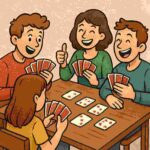
A tabletop RPG is a collaborative game where players create characters and embark on imaginary adventures, guided by a set of rules and a Game Master (GM). The GM narrates the story, describes the world, and controls the non-player characters (NPCs) and challenges. Players, on the other hand, decide the actions of their characters, rolling dice to determine outcomes.
In the DC Heroes RPG, the rules and mechanics are specifically designed to capture the feel of superhero comics, allowing you to perform extraordinary feats, solve crimes, and battle supervillains. The collaborative nature of tabletop RPGs fosters a shared storytelling experience, where each player’s imagination contributes to the unfolding narrative.
Crafting the Game World
The game world in DC Heroes RPG is as expansive as your imagination allows. The GM is responsible for setting the scene, describing locations, and creating the challenges players face. This world-building aspect is crucial as it sets the tone and mood for the game, ensuring players are fully immersed in the superhero experience. The GM’s creativity in crafting scenarios and plotlines can make the difference between a good session and a truly epic adventure.
The Role of the Game Master
The Game Master is the storyteller and referee of the game, guiding players through their adventures. A good GM balances the need for fair play with the desire to tell a compelling story, adapting the narrative to incorporate players’ choices and actions. The GM’s role is to ensure that the game flows smoothly, keeping players engaged and entertained while maintaining the integrity of the game world.
Engaging with Game Mechanics
Understanding the game mechanics is vital for both players and the GM. This includes knowing how to resolve conflicts using dice rolls, managing character abilities, and navigating the rules that govern the game world. Players must grasp the mechanics to effectively use their characters’ powers and skills, while the GM should be adept at interpreting the rules to maintain a fair and enjoyable game.
Creating Your DC Hero
One of the most exciting aspects of the DC Heroes RPG is character creation. Whether you want to play as an established superhero or create your own unique character, this process is both creative and strategic.
Choosing Your Powers and Abilities
When creating a character, consider what powers and abilities they will have. Do you want to shoot lasers from your eyes, have super strength, or maybe even control the weather? The choices are vast, and each power comes with its own strengths and weaknesses. Players must weigh these options carefully to create a character that suits their desired playstyle and complements the group dynamic.
The variety of powers available allows players to explore different facets of superheroism, from physical prowess to mental acuity. This diversity encourages creativity, as players can combine powers in unique ways to solve problems and overcome obstacles. Additionally, players should consider how their chosen powers align with their character’s personality and backstory, creating a cohesive and believable hero.
Developing Your Character’s Backstory
A compelling backstory can add depth to your character and enrich the overall storytelling experience. Think about your hero’s origins, motivations, and what drives them to fight crime. Are they seeking justice for a personal loss, or do they fight to protect their city from chaos? Your backstory will guide your character’s decisions and interactions within the game.
Crafting a rich backstory involves considering your character’s past experiences, their relationships with other heroes, and the events that shaped their worldview. This history can provide motivation for their actions and create opportunities for character development throughout the game. A well-developed backstory also allows the GM to weave personal storylines into the larger narrative, creating a more engaging and immersive experience.
Designing Your Hero’s Appearance
The visual aspect of your character is also essential in bringing them to life. Consider their costume, physical appearance, and any distinctive features that set them apart from other heroes. Your character’s appearance should reflect their personality, powers, and role within the group, contributing to the overall aesthetic of the game.
Balancing Strengths and Weaknesses
Creating a well-rounded character involves balancing their strengths and weaknesses. Every hero has vulnerabilities, and acknowledging these can lead to more interesting and dynamic gameplay. Consider how your character’s weaknesses might impact their decision-making and interactions with others, and use these challenges as opportunities for growth and development.
Setting the Scene: The DC Universe as Your Playground

In the DC Heroes RPG, the entire DC Universe is your playground. From the bustling streets of Metropolis to the shadowy alleys of Gotham City, each location presents unique challenges and opportunities for adventure.
Exploring Iconic Locations
The DC Universe is filled with iconic locations that you can explore. You might find yourself investigating a crime scene at Arkham Asylum, attending a gala at Wayne Manor, or battling foes in the skies above Metropolis. Each setting is rich with potential storylines and encounters. The diverse environments offer a wide range of possibilities for storytelling, from urban jungles to mystical realms.
Players can immerse themselves in the rich history and culture of these locations, interacting with the environment and its inhabitants. The GM can use these settings to create atmospheric scenes that enhance the narrative, drawing players deeper into the world of DC Comics. Each location offers unique challenges and opportunities, encouraging players to think creatively and strategically as they navigate their adventures.
Engaging with Legendary Characters
One of the joys of the DC Heroes RPG is interacting with legendary DC characters. You might team up with Wonder Woman, trade quips with The Flash, or even face off against the Joker. These interactions can add layers of excitement and complexity to your storytelling. Encountering these iconic figures can inspire players to embody the qualities of their heroes, striving to live up to the legacy of the DC Universe.
The presence of these characters also adds an element of unpredictability to the game, as players must navigate complex relationships and alliances. The GM can use these interactions to introduce new plotlines and challenges, keeping the game fresh and engaging. Players should consider how their characters view and relate to these legendary figures, using these relationships to deepen their role-playing experience.
Creating Unique Adventures
The DC Universe provides a rich backdrop for creating unique adventures that capture the essence of superhero storytelling. The GM can craft original storylines that challenge players’ problem-solving skills and test their characters’ abilities. By drawing inspiration from the diverse settings and characters of the DC Universe, the GM can create memorable adventures that keep players coming back for more.
Incorporating DC Lore
Incorporating elements of DC lore into the game can enhance the authenticity and depth of the storytelling. The GM can weave in references to well-known events, locations, and characters, creating a sense of continuity and connection to the broader DC Universe. Players can use their knowledge of DC lore to inform their character choices and actions, adding an extra layer of immersion to the game.
Tips for Creating Engaging Storylines
Creating engaging storylines is a crucial part of the DC Heroes RPG experience. Here are some tips to help you craft memorable adventures:
Embrace Collaborative Storytelling
Remember, RPGs are a collaborative effort. Encourage your players to contribute to the story, make decisions, and take the narrative in unexpected directions. Their creativity will enrich the game and make the experience more enjoyable for everyone involved. Collaborative storytelling allows players to take ownership of the narrative, fostering a sense of investment and engagement in the game.
By encouraging open communication and collaboration, the GM can create a supportive environment where players feel empowered to explore their characters and the world. This approach can lead to unexpected plot twists and developments, keeping the game dynamic and exciting. The GM should be flexible and adaptable, allowing players’ ideas to shape the direction of the story.
Balance Action with Character Development
While epic battles and daring rescues are thrilling, don’t forget to include moments of character development and introspection. These quieter scenes can deepen the story and give players a chance to explore their characters’ personalities and relationships. Balancing action with character development creates a more nuanced and satisfying narrative, allowing players to engage with their characters on a deeper level.
The GM can use moments of introspection to explore characters’ motivations, fears, and desires, adding depth to the story. By encouraging players to reflect on their characters’ experiences and growth, the GM can create opportunities for meaningful character development. These moments can also serve as a catalyst for new storylines and conflicts, keeping the game fresh and engaging.
Use Cliffhangers and Plot Twists
Keep your players on the edge of their seats with cliffhangers and plot twists. Just when they think they have everything figured out, throw in a surprise that challenges their assumptions and forces them to think on their feet. These unexpected developments can create tension and excitement, driving the story forward and keeping players engaged.
The GM can use cliffhangers to build anticipation and create suspense, leaving players eager to discover what happens next. Plot twists can challenge players’ perceptions and force them to reevaluate their strategies and decisions, adding an element of unpredictability to the game. By carefully planning these surprises, the GM can create a compelling and dynamic narrative that keeps players coming back for more.
Incorporate Themes and Motifs
Incorporating themes and motifs into your storylines can add depth and resonance to the narrative. Consider what overarching themes you want to explore, such as justice, redemption, or identity, and use these as a framework for your adventures. By weaving these themes into the story, you can create a more cohesive and meaningful experience for your players.
Encourage Player Agency
Giving players agency in the story allows them to shape the narrative and create a more personal and engaging experience. Encourage players to make meaningful choices that impact the direction of the story, and be open to their ideas and input. By empowering players to influence the narrative, you can create a more dynamic and collaborative storytelling experience.
Tools and Resources to Enhance Your DC RPG Experience
Enhancing your DC Heroes RPG sessions can be as simple as incorporating the right tools and resources. Here’s what you might consider:
Character Sheets and Rulebooks
Having a clear character sheet and access to the rulebooks can make gameplay smoother. These resources help keep track of character stats, abilities, and the rules of the game. Character sheets provide a convenient reference for players, allowing them to easily access important information about their characters during gameplay.
Rulebooks are essential for understanding the mechanics and rules of the game, ensuring that everyone is on the same page. They provide guidance on character creation, combat, and other aspects of the game, helping players and the GM navigate the complexities of the DC Heroes RPG. By familiarizing themselves with the rulebooks, players can make informed decisions and fully engage with the game.
Miniatures and Maps
Using miniatures and maps can bring the game to life, providing a visual representation of battles and environments. They’re not necessary, but they can add an extra layer of immersion. Miniatures allow players to visualize their characters and the world around them, enhancing the storytelling experience.
Maps provide a visual framework for the game’s locations, helping players navigate the game world and plan their actions. The GM can use maps to create detailed environments and scenarios, adding depth and complexity to the game. By incorporating miniatures and maps, players can engage with the game on a more tactile and visual level.
Online Communities and Forums
Join online communities and forums dedicated to the DC Heroes RPG. These platforms are great for sharing ideas, getting advice, and connecting with other fans of the game. Online communities provide a space for players to discuss strategies, share experiences, and learn from one another.
Forums can be a valuable resource for finding inspiration and solutions to challenges, as well as connecting with other players who share your passion for the DC Heroes RPG. By participating in online communities, players can expand their knowledge and enhance their gameplay experience. These platforms also offer opportunities for collaboration and networking, allowing players to build relationships with other fans of the game.
Digital Tools and Apps
Digital tools and apps can streamline the gameplay experience, providing convenient access to character sheets, rulebooks, and other resources. Many apps offer features such as character creation, dice rolling, and campaign management, making it easier for players and the GM to keep track of important information.
Customizable Game Aids
Customizable game aids, such as tokens, cards, and handouts, can enhance the gameplay experience by providing additional visual and tactile elements. These aids can be tailored to suit your campaign, adding a personal touch to the game and helping to engage players in the story.
Final Thoughts
The DC Heroes Role Playing Game is a rich, immersive experience that combines strategic gameplay with creative storytelling. Whether you’re a seasoned RPG player or new to the world of tabletop games, the DC RPG universe offers endless possibilities for adventure. So gather your friends, roll the dice, and embark on a journey to become the hero you’ve always wanted to be. Let your imagination soar, and remember, in the world of DC heroes, anything is possible.
Ready to start your adventure? Grab your cape, gather your allies, and let’s bring your superhero dreams to life!